
Choose a diamond shape by outline, light and setting—not trend alone.
Shape is the outline and faceting style you see when looking at a diamond face-up. It changes how a stone carries light, how large it appears for its carat weight and which settings support it naturally. This guide helps you compare shape as part of the whole piece rather than treating it as a standalone label.
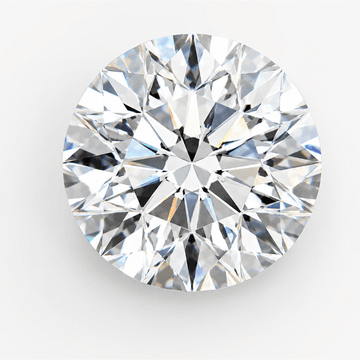
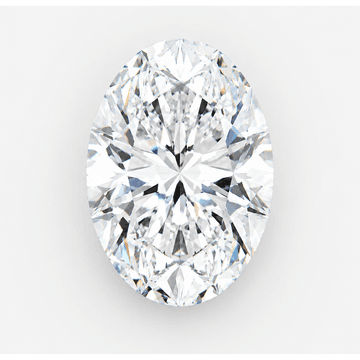
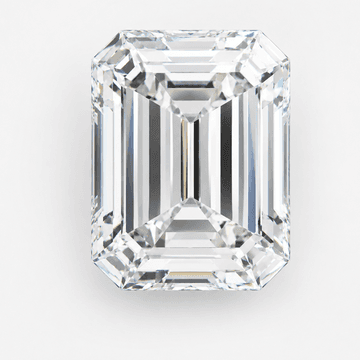
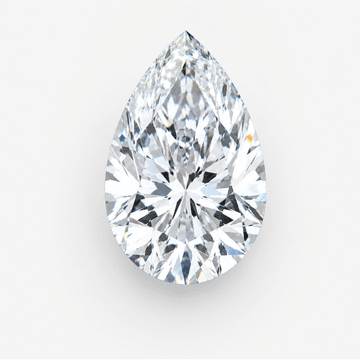
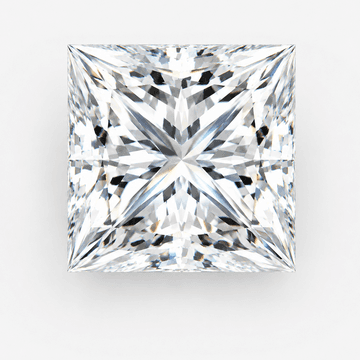
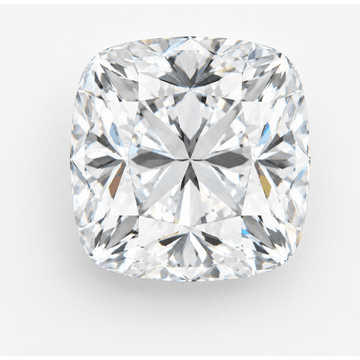
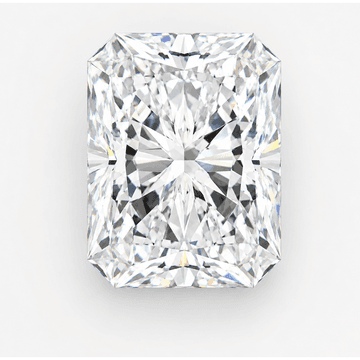
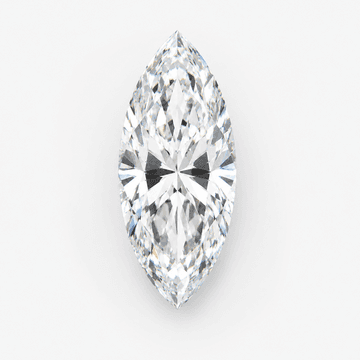
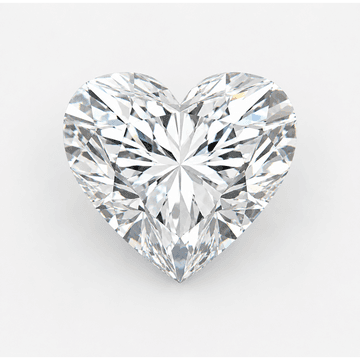
Shape and carat answer different questions
Carat measures weight. Shape describes outline and cutting style. Two diamonds with the same carat can have different face-up dimensions because their proportions distribute weight differently.
Use millimeter measurements and product images alongside carat. An elongated oval, pear or marquise may cover more length on the finger, while a deeper stone may hold more weight below the visible surface.
Read each shape by its visual character
Round shapes emphasize balanced symmetry and a familiar brilliant pattern. Oval, pear and marquise shapes introduce length. Emerald cuts create broad linear flashes, while princess, cushion and radiant shapes place more geometry into the outline. Heart shapes are intentionally symbolic and depend strongly on balanced lobes and a clear cleft.
- Round: balanced, symmetrical and easy to place in many settings.
- Oval, pear and marquise: elongated outlines that make direction part of the design.
- Emerald: stepped facets and a more architectural appearance.
- Princess, cushion and radiant: square or rectangular directions with different corner and light patterns.
- Heart: a recognizable motif where outline symmetry is especially visible.
Let the setting support the vulnerable points
Pointed shapes such as pear, marquise, princess and heart benefit from settings that protect their corners or tips. Rounded shapes can work with a wider range of prong, bezel and halo structures.
The best setting also depends on how the piece will be worn. A ring used every day has different exposure than a pendant, and a low profile can matter as much as visual drama.
Make the final comparison on the actual product
Generic shape guides are only a starting point. Compare the exact product images, dimensions, carat distribution and setting before choosing. Belaroq confirms the final stone and production specification separately from any reference illustration.
The practical takeaway
Choose the outline you want to see every day, then confirm its millimeter dimensions, setting protection and total composition on the product page.